What's the one line you now add to almost every prompt?
r/PromptEngineering · Playful_Net_8756 · 60 comments
End prompts with a request for clarifying questions before the task begins; it is the most repeated fix for wrong assumptions.
X · ServBayDev
Anthropic's Claude Fable 5.2 prompting guide found that framing the codebase as the model's own long-term project raised duplicate-code consolidation from under 10% to about 75%, at 70-80% more output tokens. The article pairs this with a five-layer prompt structure and warns that a single no-refactor guardrail still failed over half the tests.

X · Innovati_nParty
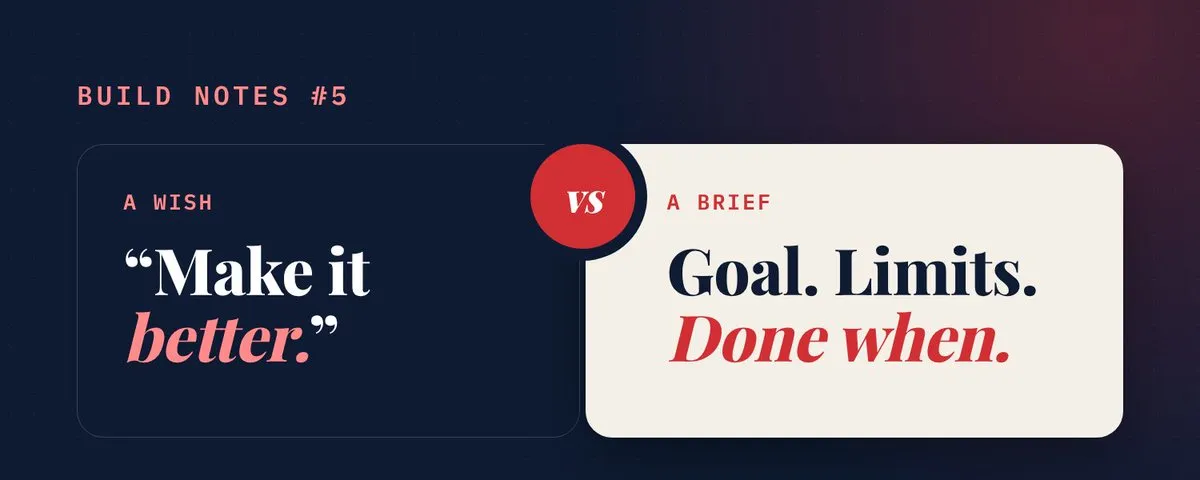
Claude Code fills any gap in a request with a reasonable guess, so a good prompt is a six-part brief: goal, audience, context, constraints, must-never, and done-when. A blog cover redesign failed on "make them more attractive" and succeeded once the brief capped covers at 18 words with no bullet lists.
X · I_am_oil_oil
After a month of heavy use in Antigravity on the $200 plan, Gemini 4 Carbon is steadier than Argon but slower, Hydrogen is fast but weak on engineering, and native design taste lags Claude and GPT.

r/PromptEngineering · Weird_Impression_264 · 19 comments
Automate grading of the existing test set: use code checks like string match first, an LLM grader with a detailed rubric for judgment calls, and human grading only where necessary; test the grader's reliability before scaling it.
X · willdjthrill
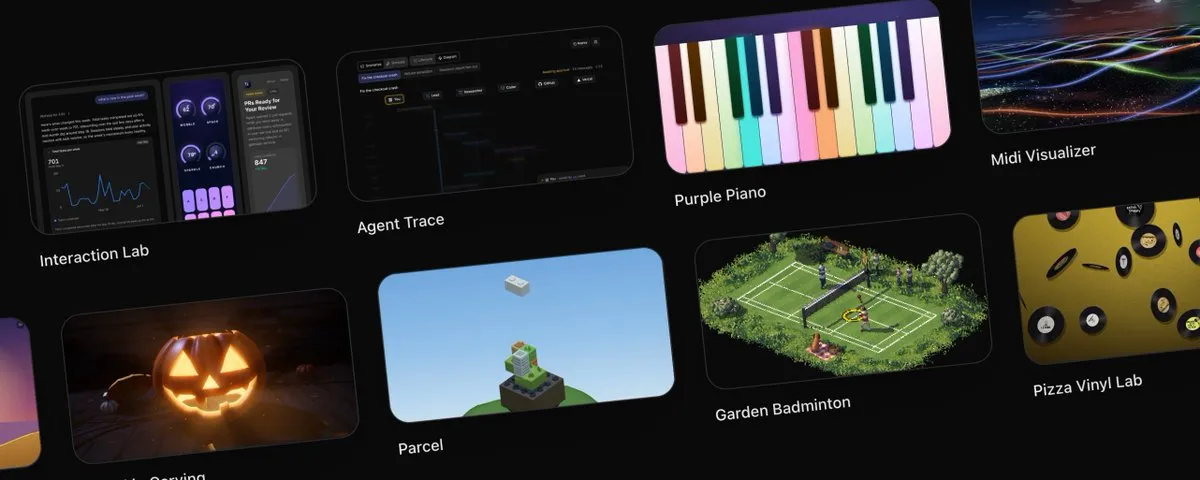
A designer describes a reusable prototype playground: a folder of self-contained sub-apps on a shared shadcn design system, hosted on Vercel or Cloudflare, with curated rules so Claude Code or Codex can spin up a live prototype from one sentence.
alexlieberman.com · Managing Partner of Tenex
A non-engineer built Bricker, an AI LEGO-set generator with 3D models, parts lists and step-by-step instructions, in four days using Claude Code at a cost of about $1,200 in API credits and 664 million tokens.
prasad.tech
Replacing regex quality checks on outbound email with an LLM judge, the gate was split into a deterministic floor and an intent layer, and the judge ran in shadow against the old rules before enforcing. On 31 labeled cases the cheap model agreed 3 times; frontier models agreed 24.
X · ridark_eth
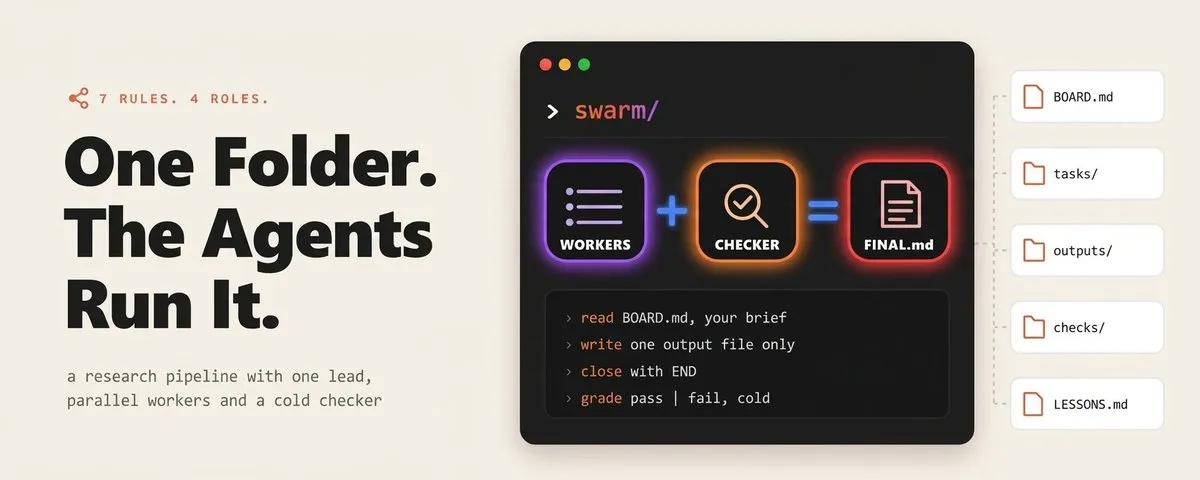
A build log for a file-coordinated agent swarm: one lead splits the job into briefs, parallel workers each write one output file, a cold checker with a different model grades each result, and the lead merges the passes. Seven rules, nine files and five saved prompts make the loop runnable unattended.
X · 0xNeuroBlue
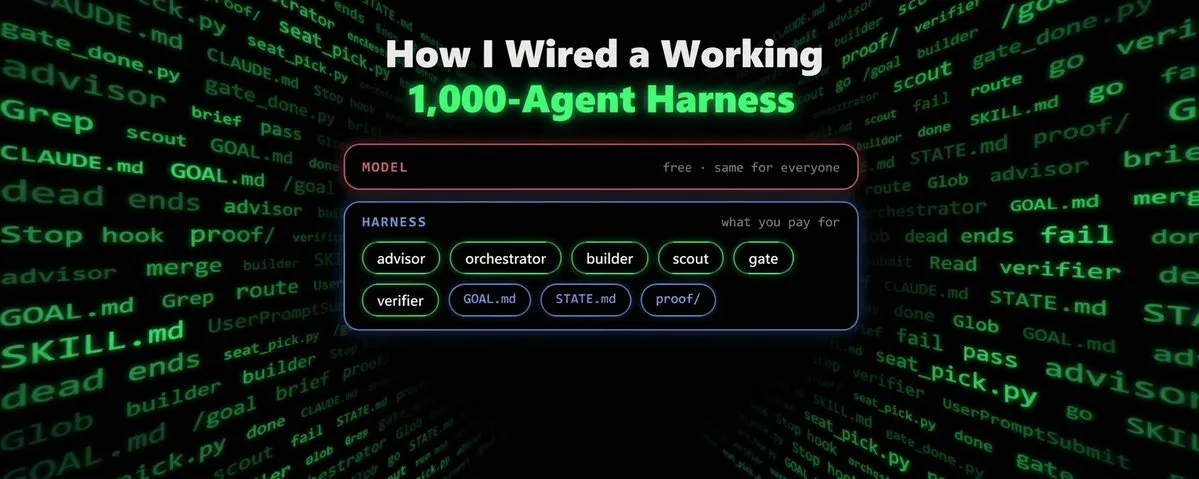
A Claude Code harness built from one project folder: five model seats (Fable 5.2 as advisor or orchestrator, Opus 5.5, Sonnet 5.5, Haiku 5.5), nine prompts, and hook-based routing and done gates. The author argues the coordination layer, not the model, decides outcomes.
r/AIAssisted · Own_Piglet_2377 · 12 comments
Asking the model to play devil's advocate and argue why the idea is terrible forces it to reason instead of just validating the input.
r/PromptEngineering · Echo_Tech_Labs · 9 comments
Predicting a generic result and then supplying a specific inside joke produced a birthday message that landed; the gain came from the setup, not the model.